Test results
Test results you can check at the lab
A certificate of analysis is evidence only when you can open the same report on the testing lab’s own website. Here is where each Australian supplier publishes its reports, six checks that work on any of them, and one full library worked through line by line.
Every supplier
Where each supplier publishes its COAs
Each supplier’s reports, as found on its own website in research done from 27 September to 6 October 2026. We link to every page so you can run the same six checks. Vialwise doesn’t lab-test any supplier’s products; this records what their sites show.
- 26of 29 with public COAs
- 3partly published
- 22with reports checkable at the lab
- 16with reports that name the supplier
Vialwise is published by APL Research Pty Ltd, which also runs Au Peptide Labs. Every supplier, ours included, is scored on the same published checklist. How we handle this
Public COAs found, in full or in part29
Sorted by whether the reports can be checked at the lab, then by name. This isn’t the supplier ranking. “Partly published” means the site describes its testing, but we didn’t find a full public set of reports on the pages we checked.

- Labs on reports
- Janoshik, Ozcanium Analytics and Peptester
- Lab-verifiable COAs
- Found
- Named on reports
- Found: the reports we opened for Ascend Peptides
- COAs listed
- 17
- Where we found them
- ascendpeptides.com.au

- Labs on reports
- Janoshik Analytical
- Lab-verifiable COAs
- Found
- Named on reports
- Found: the reports we opened for Au Peptide Labs
- COAs listed
- 11
- Where we found them
- aupeptidelabs.com.au

- Labs on reports
- Janoshik
- Lab-verifiable COAs
- Found
- Named on reports
- Found: the reports we opened for AU Verified Peps
- COAs listed
- 15
- Where we found them
- auverifiedpeps.com

- Labs on reports
- Janoshik
- Lab-verifiable COAs
- Found
- Named on reports
- Not found: the reports we opened for Aussie Peptide Store
- COAs listed
- 9
- Where we found them
- aussiepeptidestore.com.au

- Labs on reports
- Janoshik
- Lab-verifiable COAs
- Found
- Named on reports
- Not found: the reports we opened for Australian Apex Peptides
- COAs listed
- 10
- Where we found them
- australianapexpeptides.com.au
Australian Peptide Site (formerly Australian Peptide Store)
Checked 27 Sept 2026
Reports read 28 Sept–1 Oct 2026
- Labs on reports
- Janoshik Analytical
- Lab-verifiable COAs
- Found
- Named on reports
- Found: the reports we opened for Australian Peptide Site (formerly Australian Peptide Store)
- COAs listed
- 30
- Where we found them
- australianpeptidesite.com.au

- Labs on reports
- Janoshik and Kovera Labs
- Lab-verifiable COAs
- Found
- Named on reports
- Not found: the reports we opened for Australian Peptides
- COAs listed
- 8
- Where we found them
- australianpeptides.com

- Labs on reports
- Janoshik
- Lab-verifiable COAs
- Found
- COAs listed
- 6
- Where we found them
- boostedlabs.au

- Labs on reports
- Janoshik
- Lab-verifiable COAs
- Found
- Named on reports
- Found: the reports we opened for EVO Research Australia
- COAs listed
- 26
- Where we found them
- evoresearchaustralia.com

- Labs on reports
- Janoshik
- Lab-verifiable COAs
- Found
- Named on reports
- Found: the reports we opened for Lazarus Labs
- COAs listed
- 24
- Where we found them
- lazaruslabs.com.au

- Labs on reports
- Janoshik
- Lab-verifiable COAs
- Found
- Named on reports
- Found: the reports we opened for My Peptide Australia
- COAs listed
- 2
- Where we found them
- mypeptide.com.au

- Labs on reports
- Janoshik Analytical
- Lab-verifiable COAs
- Found
- Named on reports
- Found: the reports we opened for NuVion Health
- COAs listed
- 40
- Where we found them
- nuvion.health

- Labs on reports
- Janoshik
- Lab-verifiable COAs
- Found
- Named on reports
- Found: the reports we opened for Omega Peptides Australia
- COAs listed
- 27
- Where we found them
- omegapeptidesaustralia.com

- Labs on reports
- Janoshik
- Lab-verifiable COAs
- Found
- Named on reports
- Not found: the reports we opened for Optic Labs
- COAs listed
- 11
- Where we found them
- opticlabsau.com

- Labs on reports
- Novagen Laboratories (Novagen Analytical Labs)
- Lab-verifiable COAs
- Found
- Named on reports
- Found: the reports we opened for Pepology
- COAs listed
- 40
- Where we found them
- pepologyaustralia.com

- Labs on reports
- Janoshik Analytical, UZORAK and Ozcanium Analytics
- Lab-verifiable COAs
- Found
- Named on reports
- Found: the reports we opened for PeptideX Research
- COAs listed
- 385
- Where we found them
- peptidexresearch.com

- Labs on reports
- Janoshik
- Lab-verifiable COAs
- Found
- Named on reports
- Not found: the reports we opened for Peptique Labs Australia
- COAs listed
- 12
- Where we found them
- peptiquelabsaustralia.com.au

- Labs on reports
- Janoshik and Peptester
- Lab-verifiable COAs
- Found
- Named on reports
- Not found: the reports we opened for PhaseOne AUS
- COAs listed
- 22
- Where we found them
- phaseoneaus.com

- Labs on reports
- Ozcanium Analytics and Freedom Diagnostics
- Lab-verifiable COAs
- Found
- Named on reports
- Found: the reports we opened for PremiumPeps
- COAs listed
- 13
- Where we found them
- premiumpeps.com.au

- Labs on reports
- Ozcanium Analytics and Janoshik
- Lab-verifiable COAs
- Found
- Named on reports
- Found: the reports we opened for Pure Form Peptides
- COAs listed
- 28
- Where we found them
- pureformpeptides.com.au

- Labs on reports
- Janoshik and Ozcanium Analytics
- Lab-verifiable COAs
- Found
- Named on reports
- Found: the reports we opened for Ultima Labs (now Ultima Life)
- COAs listed
- 61
- Where we found them
- ultimalife.is

- Labs on reports
- Janoshik, Ozcanium Analytics and ACS Laboratories
- Lab-verifiable COAs
- Found
- COAs listed
- 34
- Where we found them
- zenithsupplyau.com

- Labs on reports
- Janoshik and Freedom Diagnostics
- Lab-verifiable COAs
- Partly
- Named on reports
- Partly: the reports we opened for Aussie Peptides
- COAs listed
- 40
- Where we found them
- aussiepeptides.au

- Labs on reports
- Kovera Labs and Janoshik
- Lab-verifiable COAs
- Partly
- Named on reports
- Found: the reports we opened for NextGen Peptides
- COAs listed
- 14
- Where we found them
- nextgenpeps.com.au

- Labs on reports
- No report to name one
- Lab-verifiable COAs
- Couldn’t verify
- Named on reports
- Couldn’t verify: no reports to open for Apex Lab Aus (Apex Labs Australia), see the profile
- COAs listed
- 0Partly published
- Where we found them
- apexlabaus.com

- Labs on reports
- No report to name one
- Lab-verifiable COAs
- Couldn’t verify
- COAs listed
- 0Partly published
- Where we found them
- peptideplanet.com.au

- Labs on reports
- No report to name one
- Lab-verifiable COAs
- Couldn’t verify
- COAs listed
- 0Partly published
- Where we found them
- primepeptidesco.com

- Labs on reports
- Janoshik
- Lab-verifiable COAs
- Not found
- COAs listed
- 11
- Where we found them
- australianresearchpeptides.au

- Labs on reports
- Janoshik Analytical
- Lab-verifiable COAs
- Not found
- Named on reports
- Not found: the reports we opened for Capital Precision Labs
- COAs listed
- 191
- Where we found them
- capitalprecisionlabs.com
COA counts are approximate, taken on the date shown with each name. “Not found” means not found on the pages we checked; “Couldn’t verify” means a page didn’t load, was blocked, or was ambiguous. For the two checks graded from lab reports, it means there was no sampled report to read for that check: the supplier publishes none on the pages we checked, or none of the sampled reports could be opened (for COAs checkable at the testing lab, also none is a page on the lab’s own site). The two report checks are graded from the first six reports each supplier’s own site lists, in the order it lists them (further down the list when fewer than three of those can be opened), read as the supplier publishes them. Where a report is a copy on the supplier’s own site, we didn’t match it to the lab’s own record, so “checkable at the lab” means the copy gives you a way to check it there. Each supplier’s profile lists the reports we opened.
Run a supplier and think we’ve missed a page? Send a correction and we’ll re-check it.
How to check a report yourself
Six checks that work on any supplier’s COA
A certificate of analysis is evidence only if you can open the same report on the lab’s own website. These checks take a few minutes, and they work the same way on every supplier’s reports, ours included.
- 1
Open the verify link from the supplier
Start from the report the supplier lists for the exact compound and vial size you’re looking at, and use its verify link. If there’s only a PDF or an image, note the lab name and task number printed on it and look the report up at the lab.
- 2
Confirm you’re on the lab’s own domain
The report should load on the testing lab’s website, not the shop’s. Janoshik Analytical’s verify links open on verify.janoshik.com. A lookalike address, or a copy that only exists on the supplier’s site, can’t be checked this way.
- 3
Match the task number, sample name and date
The task number, sample name and test date on the lab’s page should match the supplier’s copy exactly. One different character means you’re looking at a different report.
- 4
Read who the sample came from
The client field should name the shop you’re buying from, under a name it uses itself; failing that, the manufacturer field, the sample name or the pictured vial’s label may. With the client covered or showing another name, and no supplier name in the manufacturer, sample or vial-label details, the report alone doesn’t tie the result to this shop. Ask the supplier for a copy with the client visible.
- 5
Compare the chromatogram and mass result
Read the result on the lab’s page, not the summary on the shop’s. The purity figure from the chromatogram, and the mass the lab measured, should match the supplier’s copy to the last decimal place.
- 6
Check the sample matches the vial you’d receive
The sample description should name the same compound and declared amount as the product you’re looking at, plus a batch or lot if one is listed. A report on a 5 mg vial says nothing about a 10 mg one.
Try it on a real report
One report from the library below, listed by Au Peptide Labs Our store. Open it and check the lab’s page shows each of these.
- Testing lab
- Janoshik Analytical
- Address bar
- verify.janoshik.comThe lab’s own domain
- Task number
- #124034
- Compound
- BPC-157
- Client
- aupeptidelabs.com.auShould name the shop you’re buying from
- Listed result
- 99.546% purity
If any field doesn’t match, don’t rely on the report. Ask the supplier which report covers the vial they’d send you.
A library, line by line
Every report Au Peptide Labs lists, pending ones included
A library is only useful if you can see the whole of it. This is the one supplier whose complete report list we have, so it is the worked example: every entry, with the lowest result shown beside the average and anything the lab hasn’t released marked as pending.
Vialwise is published by APL Research Pty Ltd, which also runs Au Peptide Labs. Every supplier, ours included, is scored on the same published checklist. How we handle this
- Reports with a lab link
- 11of 18 listed, each linking to the report on the lab’s own site
- Pending
- 7Listed without a released report, so left out of the purity figures.
- Mean purity
- 99.40%Across 10 lab-linked reports that state purity. One blend report left out.
- Lowest purity
- 97.59%TB-500 5mg, the lowest lab-linked figure. Shown because an average can hide the low end.
- Testing lab
- Janoshik AnalyticalVerify links open on verify.janoshik.com
Showing 18 of 18 reports
AOD-9604
Task #157235Listed 11 Aug 2026
Lab link99.860%purity
Janoshik task #157235
BPC-157
Task #124034Listed 31 July 2026
Lab link99.546%purity
Janoshik task #124034
CJC-1295 + Ipamorelin 10mg
Task #212995Listed 11 Aug 2026
Lab link- Ipamorelin
- 4.70 mg
- CJC-1295 (mod GRF 1-29)
- 4.96 mg
Blend: mass per vial. No purity figure.
Janoshik task #212995
GHK-Cu
Task #149239Listed 31 July 2026
Lab link99.490%purity
Janoshik task #149239
GLP-1 LR3
Task #124033Listed 31 July 2026
Lab link99.554%purity
Janoshik task #124033
Ipamorelin
Task #149240Listed 31 July 2026
Lab link99.905%purity
Janoshik task #149240
Melanotan 2
Task #149241Listed 31 July 2026
Lab link99.942%purity
Janoshik task #149241
Selank 10mg
Task #157237Listed 11 Aug 2026
Lab link99.752%purity
Janoshik task #157237
Semax 10mg
Task #157236Listed 11 Aug 2026
Lab link98.724%purity
Janoshik task #157236
TB-500 5mg
Task #212994Listed 31 July 2026
Lab link97.589%purity
Janoshik task #212994
Tesamorelin
Task #149242Listed 31 July 2026
Lab link99.604%purity
Janoshik task #149242
BAC Water 3ml
Listed 31 July 2026
PendingAwaiting a released report
No task number yet
No verify link yetGLOW
Listed 31 July 2026
PendingAwaiting a released report
No task number yet
No verify link yetGLP-2 TZ 15mg
Listed 31 July 2026
PendingAwaiting a released report
No task number yet
No verify link yetGLP-2 TZ 20mg
Listed 31 July 2026
PendingAwaiting a released report
No task number yet
No verify link yetKLOW
Listed 31 July 2026
PendingAwaiting a released report
No task number yet
No verify link yetMOTS-C
Listed 31 July 2026
PendingAwaiting a released report
No task number yet
No verify link yetNAD+
Listed 31 July 2026
PendingAwaiting a released report
No task number yet
No verify link yet
Purity is shown to the precision the lab reported it; the mean and lowest figures above are rounded to two decimal places. Latest entry listed 11 Aug 2026. Check it against the store’s own COA page.
Reading a report
What a COA can and can’t tell you
A report you can open at the lab is strong evidence about one sample. Knowing where that evidence stops is part of reading it well, and it applies to our reports as much as anyone’s.
Purity is not content
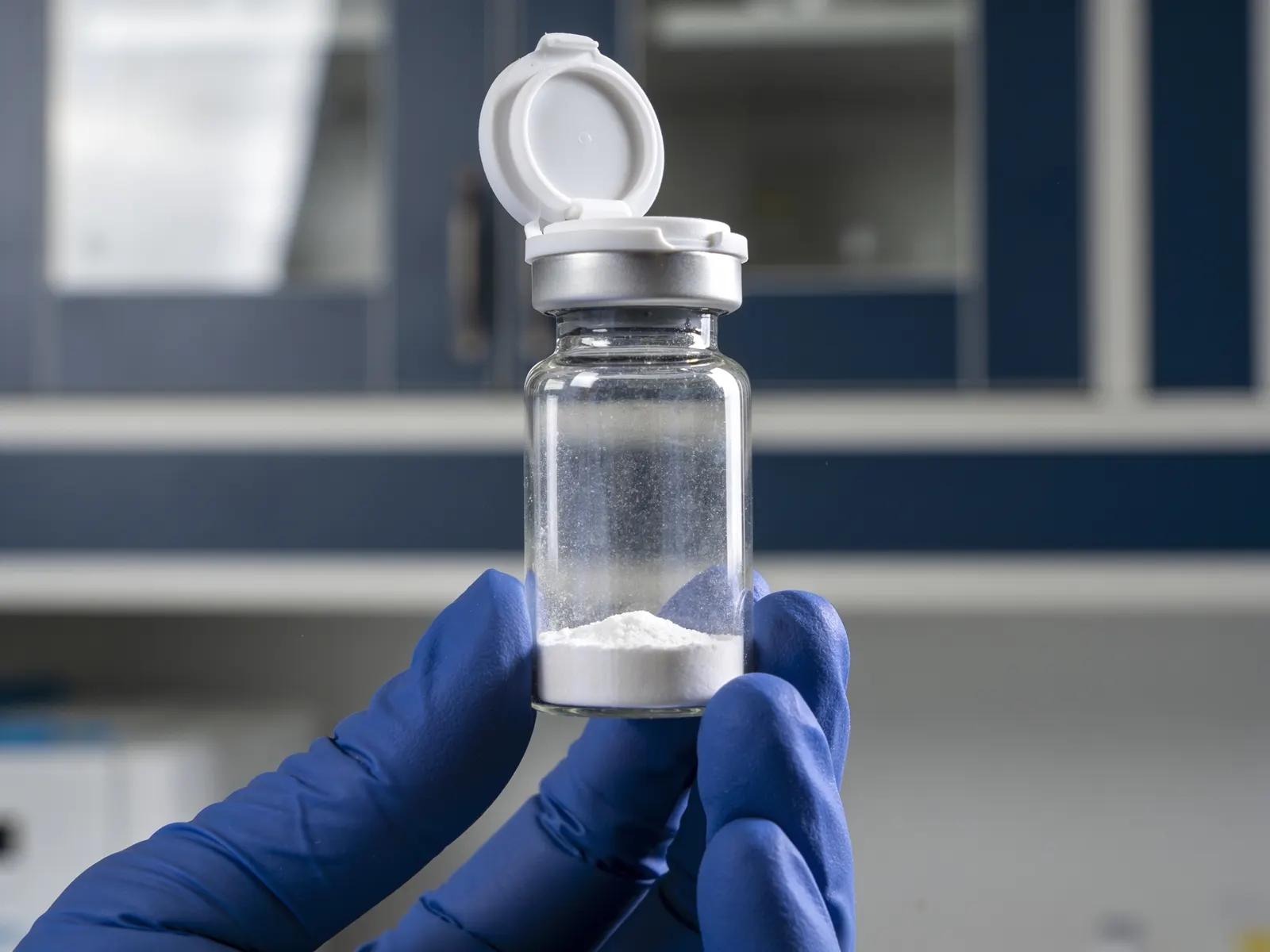
Purity is the share of the sample that is the target peptide, read from the chromatogram. It says nothing about how many milligrams are in the vial; that is a separate measurement. Blend reports give the mass of each compound per vial and no purity figure, which is why they are left out of our mean purity.
A sample is not a batch
A report describes the vial the lab received. It speaks for other vials only if they came from the same batch and were stored the same way. A verify link proves the lab issued the report; it can’t show that your vial came from the batch that was tested. Look for a batch or lot reference and a test date close to the stock on sale.
Who chose the sample
A supplier-submitted report is one where the supplier picks a vial and sends it to the lab. Au Peptide Labs’ reports are supplier-submitted samples tested by Janoshik Analytical. A blind-purchased sample is bought like an ordinary order and sent in by someone else, so it can’t be hand-picked. Both are useful; the second is closer to what an ordinary order receives.
What wasn’t tested
A standard purity report measures the peptide. Unless the report lists them, it hasn’t tested for endotoxins, heavy metals, residual solvents or microbial contamination. Those are separate tests with separate reports.
Everything here concerns research compounds sold for laboratory and analytical use only. For how we score testing across suppliers, see the methodology.
See how each supplier’s testing scores
Lab testing carries 40 of the 100 points on the checklist every supplier is scored against: public reports, reports you can check at the lab, reports that name the supplier and how much of what you can order today has a report.